Queen Elizabeth National Park: Uganda's Most Diverse Wildlife Haven
Where Savanna Meets Forest
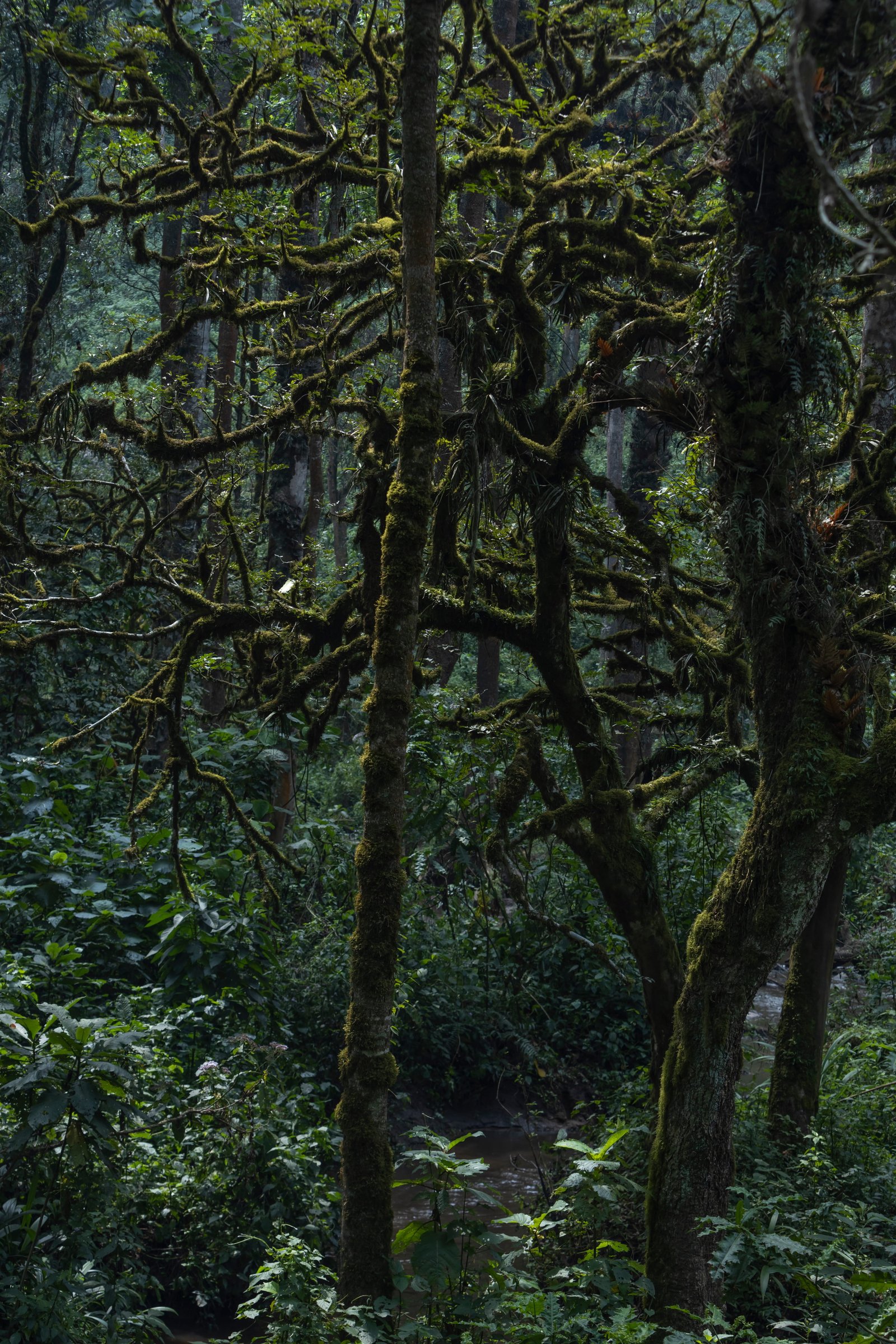
Queen Elizabeth National Park sits in western Uganda, spanning the floor of the Western Rift Valley. It is Uganda's most visited national park, and for good reason: the diversity of ecosystems here — open savanna, dense forest, volcanic crater lakes, and the Kazinga Channel — supports an extraordinary range of wildlife.
The Tree-Climbing Lions of Ishasha
In the southern Ishasha sector, lions do something unusual: they climb fig trees. No one is entirely sure why — some researchers suggest it helps them escape ground-level insects, others that the branches offer a vantage point and a cool breeze. Whatever the reason, watching a lion draped across a branch is one of safari's most surreal sights.
The Kazinga Channel
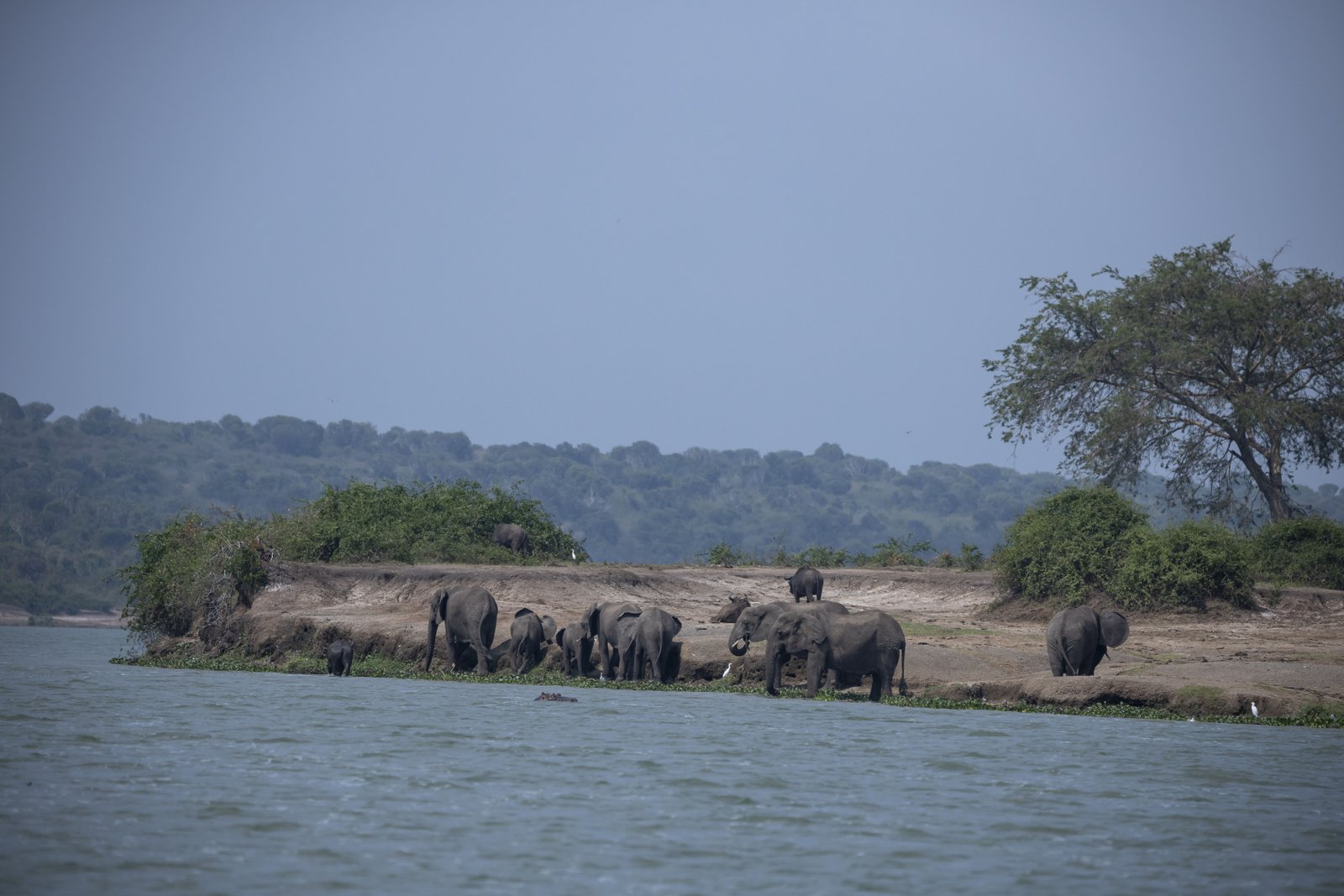
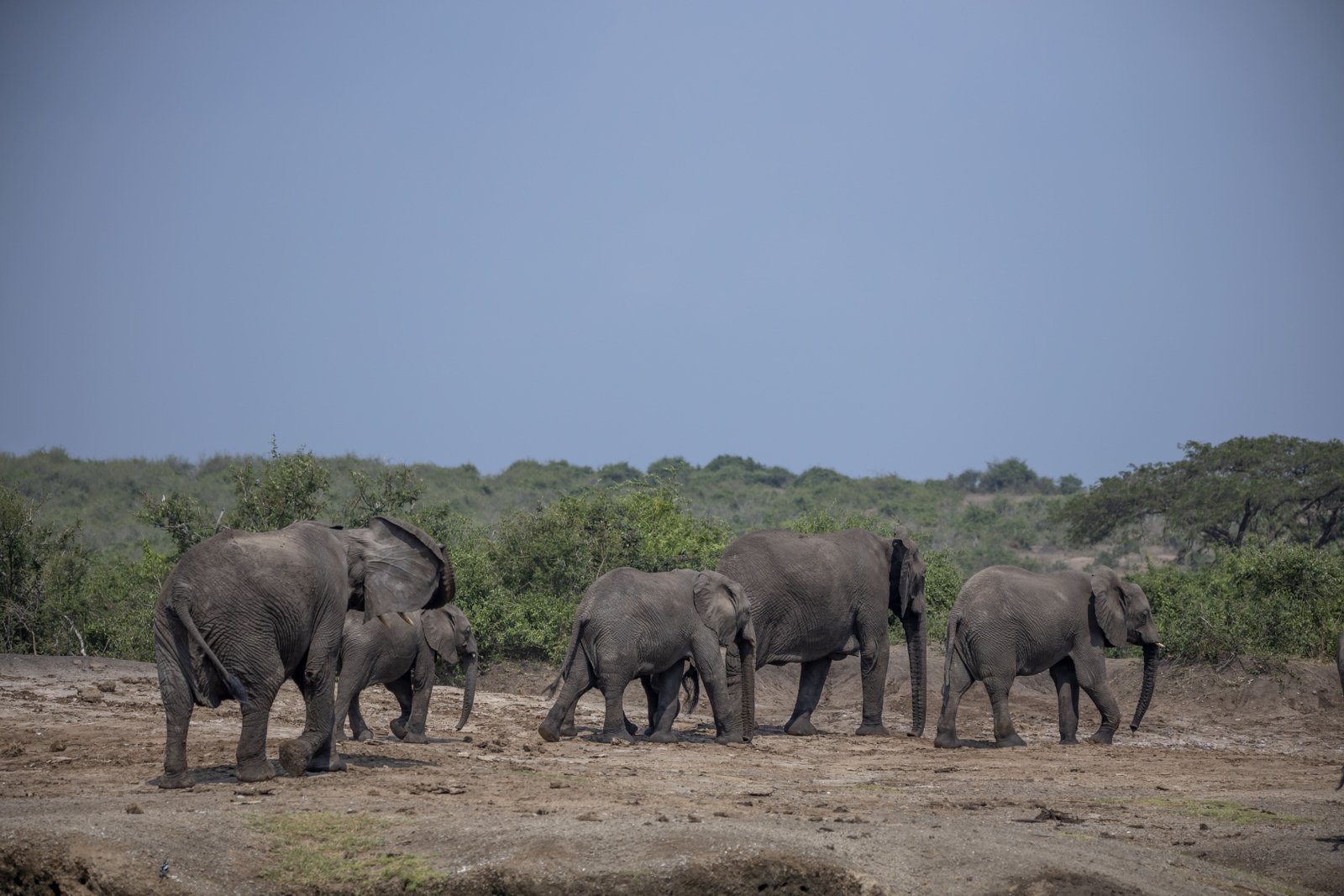
This 32-kilometre natural channel connects Lake George and Lake Edward. A boat safari here is among the best wildlife viewing experiences in East Africa. Hippos wallow in the shallows, elephants come to drink, buffalo crowd the banks, and over 600 bird species have been recorded in the park.
Planning Your Visit
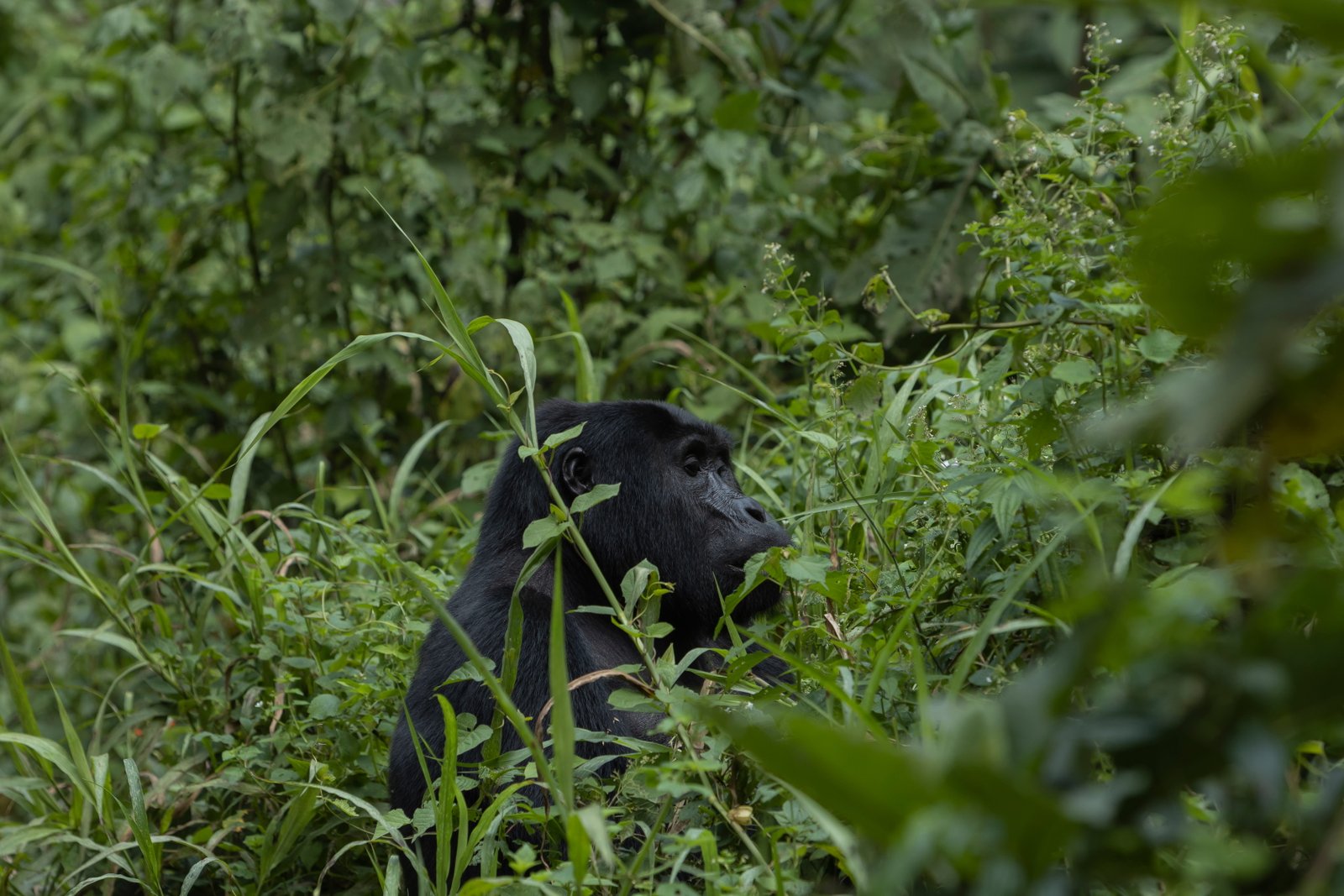
Queen Elizabeth combines well with gorilla trekking in Bwindi (approximately 3–4 hours’ drive) and chimpanzee tracking in Kyambura Gorge. Game drives are best in the early morning and late afternoon.
Crater Lakes and the Kazinga Evening
The explosion craters west of Mweya hold water and quiet birds when the channel feels busy. A late boat on Kazinga is often better than a third game drive on a tired road. Hippo density here is the point; it is not a whale-watching timetable.
Ishasha Logistics
Ishasha is a sector, not a guarantee of tree lions. You go because the fig trees and the southern approach toward Bwindi make sense on the map. If the lions are on the ground that day, you still had a proper game drive.
[Contact Kitum Cave Safaris to include Queen Elizabeth in your itinerary.]
Ready to experience this yourself?
Let Kitum Cave Safaris craft a journey around the places that inspire you.