The Masai Mara: Grass, Cats, and the Season Everyone Asks About
More Than July and August
The Masai Mara National Reserve sits across the border from Tanzania’s Serengeti. Wildebeest and zebra move with grass and rain. The famous Mara River crossings usually concentrate in the northern dry months — often July to October, shifting with the year. They are not a daily show on a timetable.
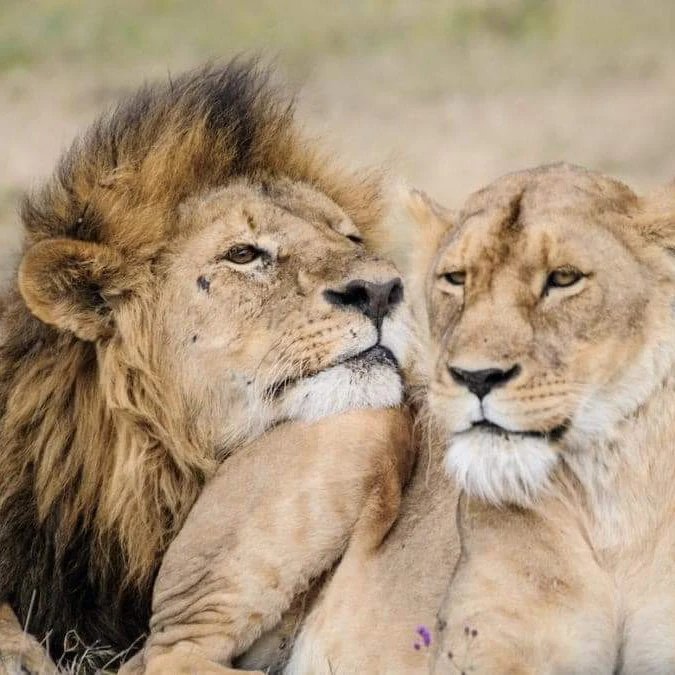
Outside those weeks the Mara is still one of East Africa’s great cat landscapes: lion, cheetah, and leopard on open ground, with elephant and giraffe in the same frame. A June or November safari can be quieter and just as serious.
How We Use the Mara
Kitum’s Kenya itinerary is built around game drives from a camp or lodge on or near the reserve, not a fly-in for a single sunset. Conservancies adjoining the reserve can offer night drives and walking where the rules allow — we only book those products when they are licensed.
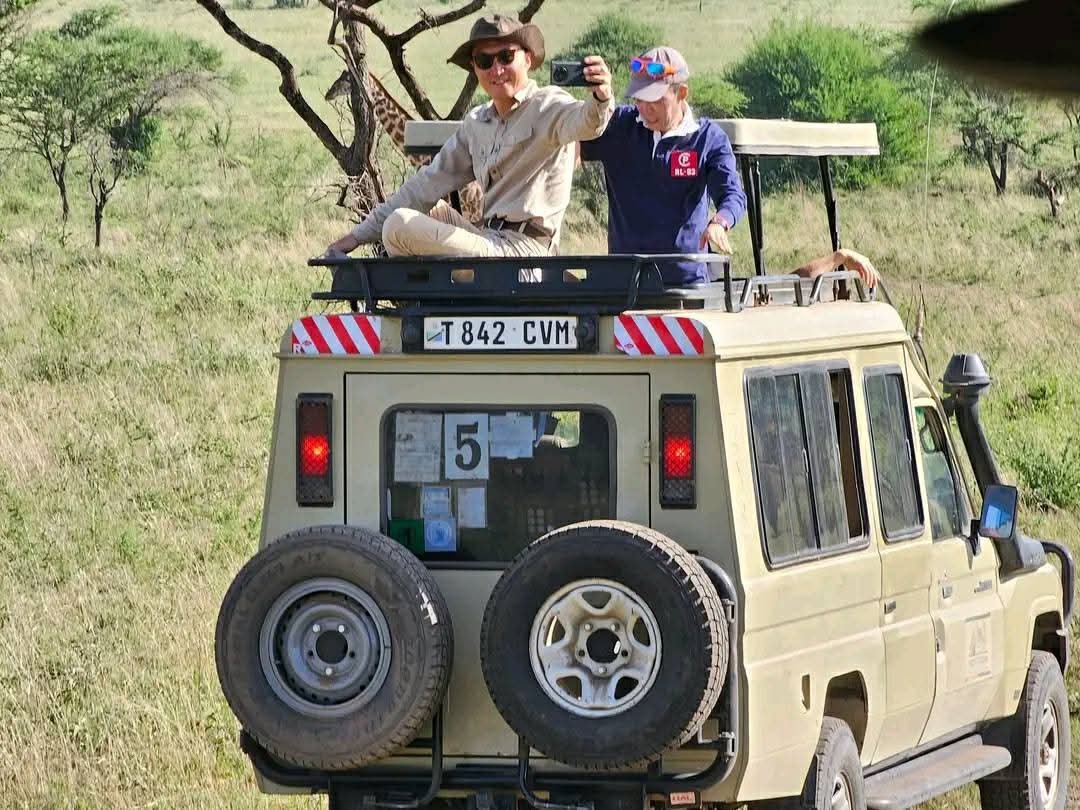
You will spend long hours in a vehicle. That is the work of seeing. Bring a layer for dawn, dust protection for cameras, and patience when another car has already found the cheetah.
Migration Honesty
We will never confirm a crossing the way we confirm a gorilla permit. We can put you in the right sector in the right month. The river still decides. If your dates miss the herds, you still have the Mara. If your heart is set on crossings, we talk about Tanzania’s Serengeti calendar as well, because the animals do not respect our borders.
Beside the Reserve
A well-paced Kenya journey can add Amboseli (Kilimanjaro on a clear morning, elephant in swamp grass) or a coast night, but packing three parks into four days is how people remember traffic, not wildlife. Tell us the days you actually have.
[Our Masai Mara safari page carries current season notes. Ask for a quote that matches your month, not a generic “migration package.”]
Ready to experience this yourself?
Let Kitum Cave Safaris craft a journey around the places that inspire you.