When to Visit Uganda: Seasons, Weather, and What to Pack
Two Dry Seasons, Two Wet Seasons
Uganda experiences two dry seasons and two wet seasons:
Dry seasons: December to February, and June to September
Wet seasons: March to May, and October to November
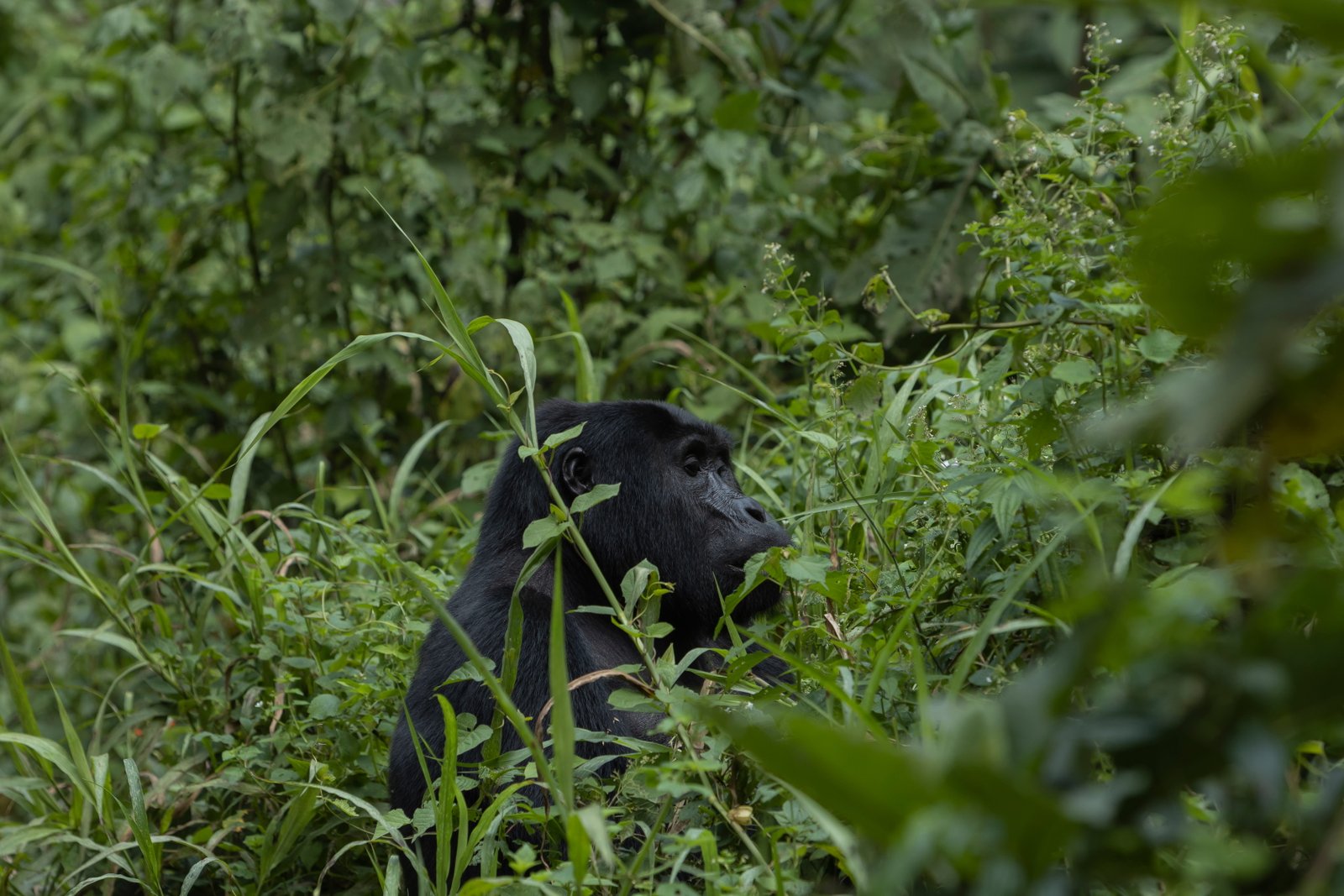
The dry seasons offer easier road conditions and clearer skies — ideal for photography and gorilla trekking. However, Bwindi's rainforest receives rain year-round, so waterproof gear is always essential.
Wildlife Viewing
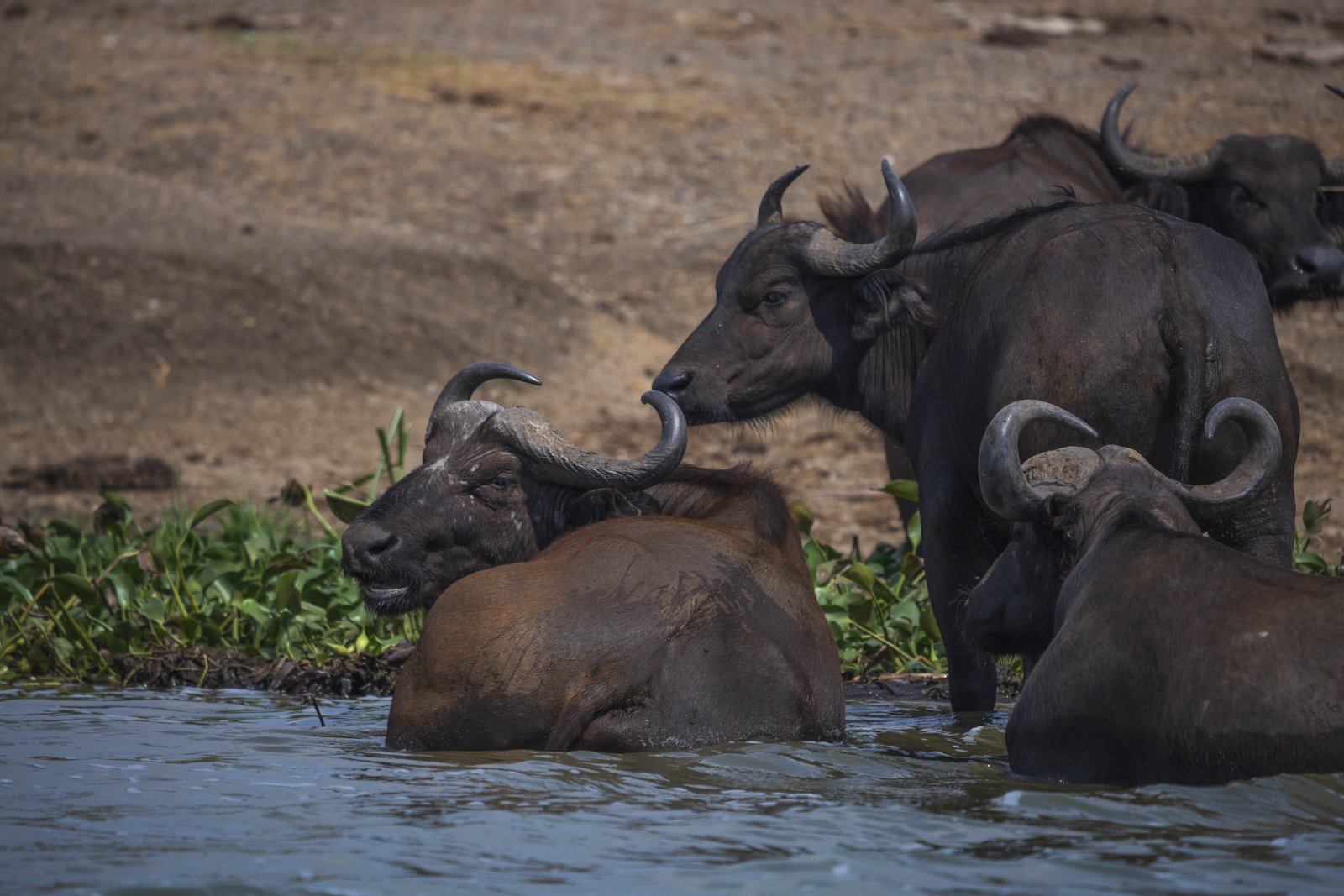
Game viewing in savanna parks like Queen Elizabeth and Murchison Falls is generally best during the dry seasons when animals congregate around water sources. Bird watching peaks during the wet seasons when migratory species arrive.
What to Pack
Regardless of season:
- Lightweight, breathable clothing in neutral colours
- A warm layer for early morning game drives
- Sturdy waterproof hiking boots
- Rain jacket or poncho
- Sun protection (hat, sunscreen, sunglasses)
- Insect repellent
- Binoculars and a good camera
Getting There
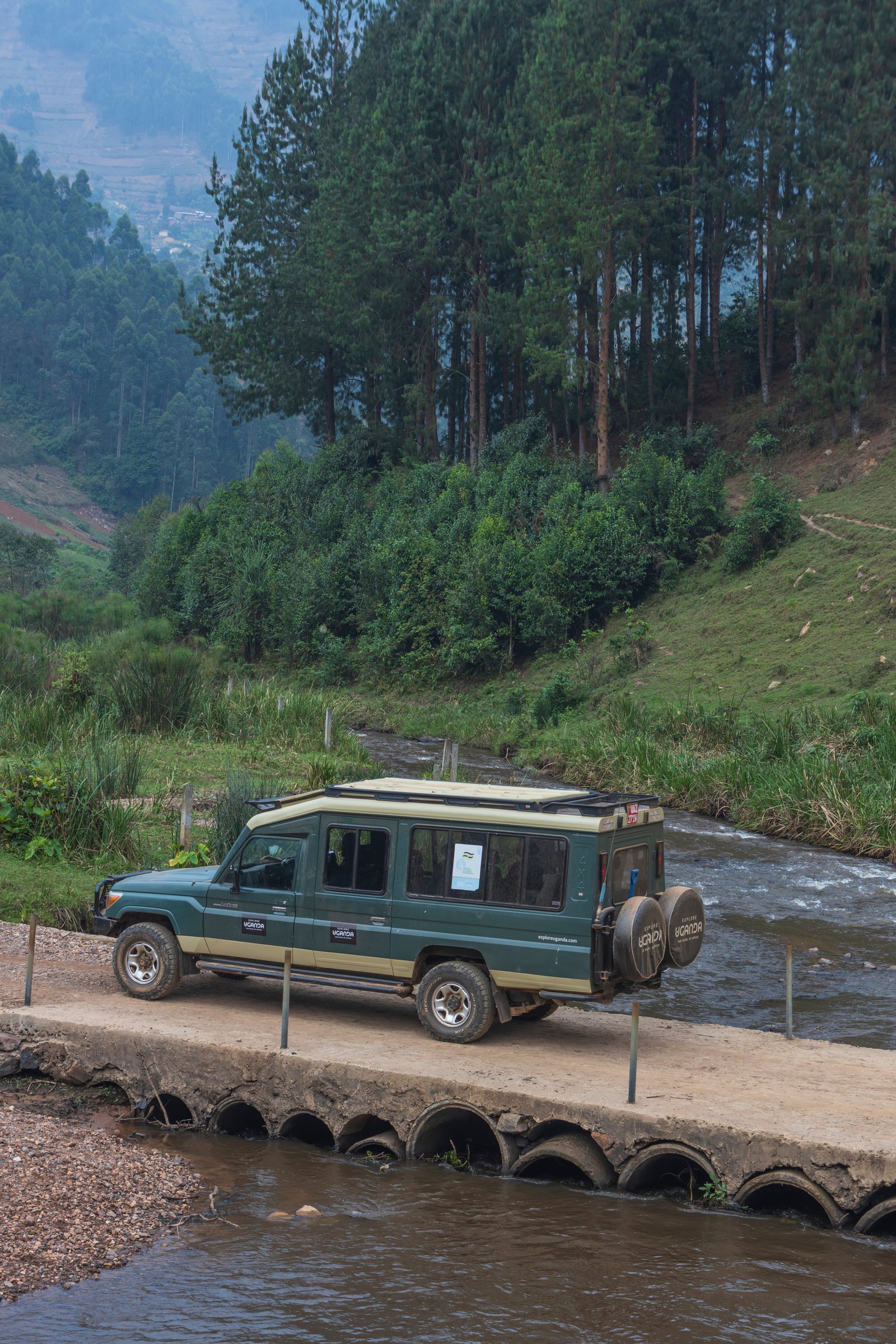
Most international visitors arrive through Entebbe International Airport, approximately 40 kilometres from Kampala. From Entebbe, most safari destinations are a day’s road — not an hour. Build the night.
Gorilla Months Versus Savanna Months
You can trek gorillas in the rain. You will be wet. Dry-season treks are easier underfoot, and lodges book out first. For Murchison and Queen Elizabeth, dry months pull animals to water. If you are a birder, the wet months are not a write-off.
[Plan your journey with Kitum Cave Safaris — we handle the logistics so you can focus on the experience.]
Ready to experience this yourself?
Let Kitum Cave Safaris craft a journey around the places that inspire you.