Zanzibar After the Dust: Stone Town, Spice, and the Sandbank
Why the Safari Should End in Salt
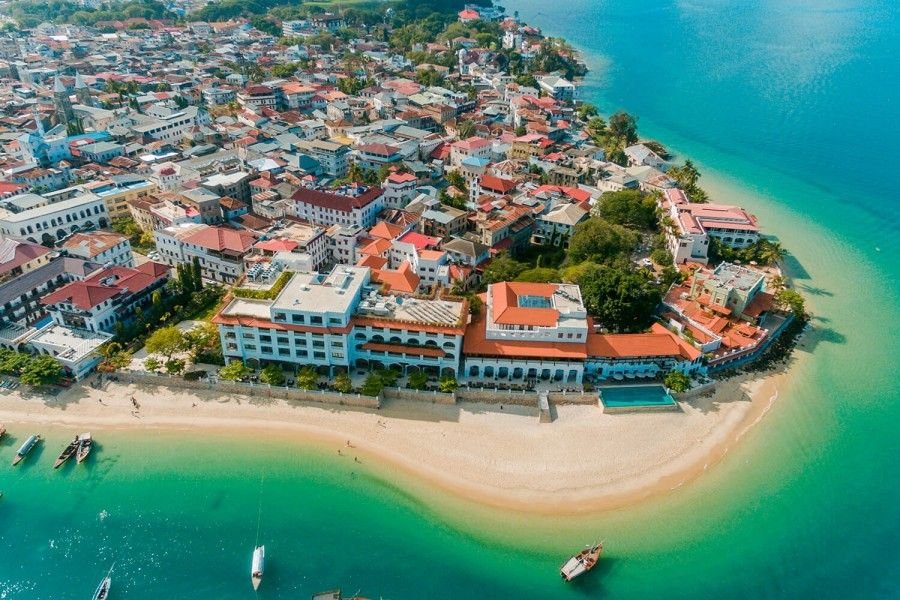
After Bwindi mud or Mara dust, Zanzibar is a change of climate and century. Stone Town’s alleys, carved doors, and waterfront belong to the Indian Ocean trade, not to a resort brochure. We still send people to the north and east beaches — Nungwi, Matemwe, Paje — because rest is part of the journey. We just refuse to skip the town as if it were traffic.
Stone Town
Walk early. The heat sits down by ten. Visit a palaced museum, a coffee terrace, the waterfront at dusk. The slave-trade history is part of the island; treat those sites as history, not as a thrill. We can arrange a guided walk so you are not only photographing doors.
Spice and Forest
A spice farm visit is agricultural, not a shopping mall. You will smell clove, cinnamon, and vanilla on the plant, not in a gift bag first. Jozani Forest is the place for Zanzibar red colobus — endemic, photogenic, and still a wild animal. Keep food packed away.
Water
Nakupenda sandbank, Mnemba reefs, Prison Island (Changuu) tortoises, and a dhow at sunset are real outings. Snorkelling quality depends on wind and tide. We do not promise dolphins on cue. When the sea is right, the day is one of the best on the trip.
The Rock restaurant at Michamvi is a popular lunch — tide decides whether you wade or boat. Book it as an experience, not as the meaning of Zanzibar.
How It Fits a Kitum Journey
The 5-day Zanzibar trip can stand alone from Dar or a short hop from the mainland safari. It also closes a Kenya or Tanzania circuit. Tell us your international airport (Entebbe, Nairobi, Kilimanjaro, Zanzibar) so we book a connection that exists that day.
[Breakfast is included on most of our Zanzibar nights; lunch and dinner are usually extra unless a stay is quoted full board.]
Ready to experience this yourself?
Let Kitum Cave Safaris craft a journey around the places that inspire you.