Traveling Responsibly in East Africa: A Guide for Conscious Travelers
Why It Matters
East Africa's natural heritage — its forests, savannas, lakes, and wildlife — is both its greatest asset and its most fragile resource. Tourism generates vital revenue for conservation and community development, but only when practiced responsibly.
Choose Local
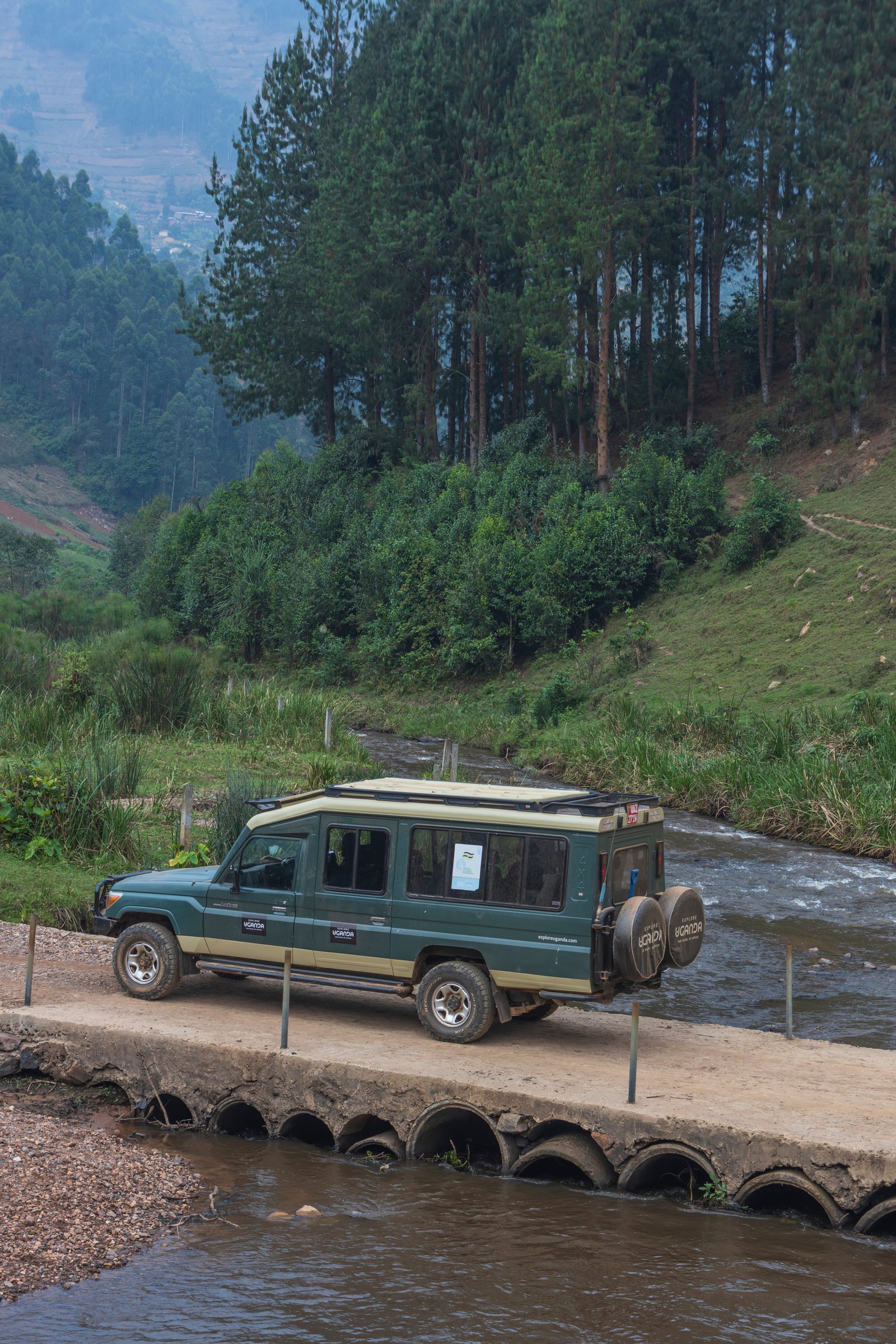
Working with locally based operators like Kitum Cave Safaris means your spending stays in the community. Local guides bring knowledge that no guidebook can replicate — they know which trail the gorillas used yesterday, which village makes the best rolex, and how to navigate roads that do not appear on any map.
Respect Wildlife
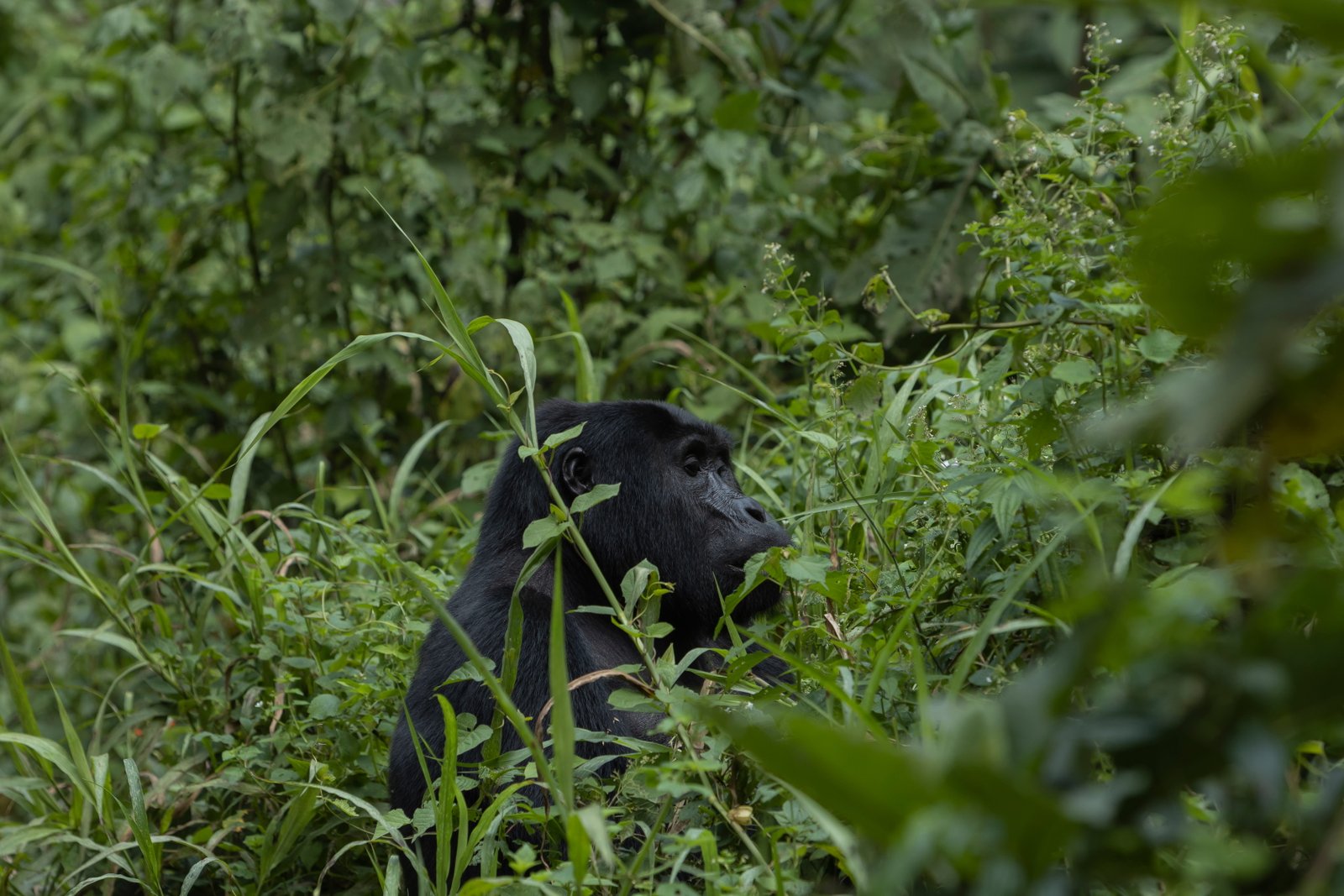
- Maintain recommended distances from all animals
- Never feed wildlife
- Follow your guide's instructions during treks and game drives
- Do not use flash photography near animals
- Stay on designated trails
Support Communities
- Buy crafts directly from artisans
- Tip fairly and directly
- Learn a few words of the local language
- Ask before photographing people
- Choose community-owned lodges where possible
Leave No Trace
Pack out what you pack in. Avoid single-use plastics. Respect park rules and ranger instructions. The wilderness you enjoy today should be intact for the next generation.
Money That Stays
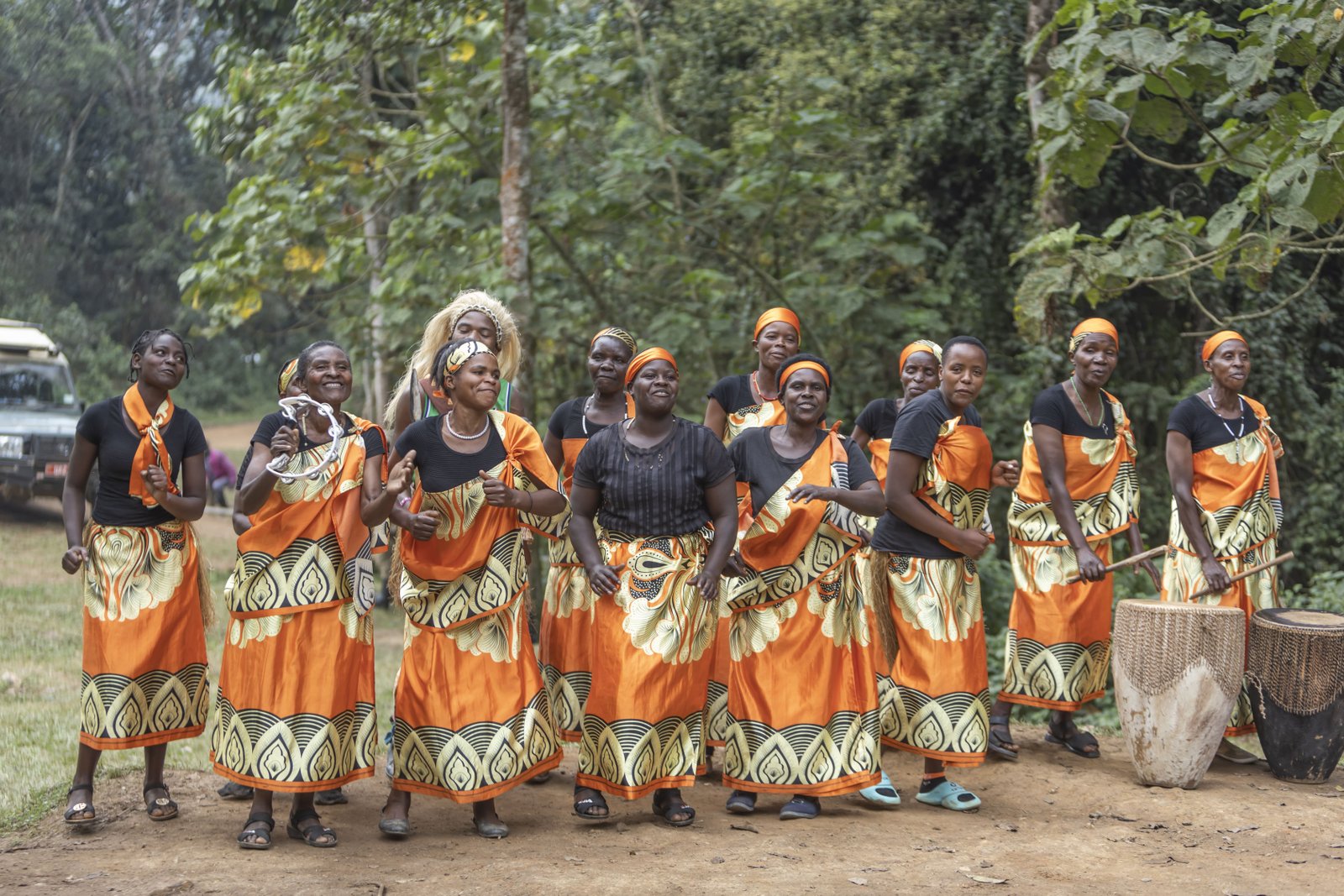
Park fees, gorilla levies, porters, and lodge staff are the conservation economy you can see. Bargaining a dancer down to nothing is not “travel savvy.” Our responsible-tourism stance is operational: we book people we can name.
[Kitum Cave Safaris is committed to responsible tourism. Learn more about our approach when you plan your journey.]
Ready to experience this yourself?
Let Kitum Cave Safaris craft a journey around the places that inspire you.